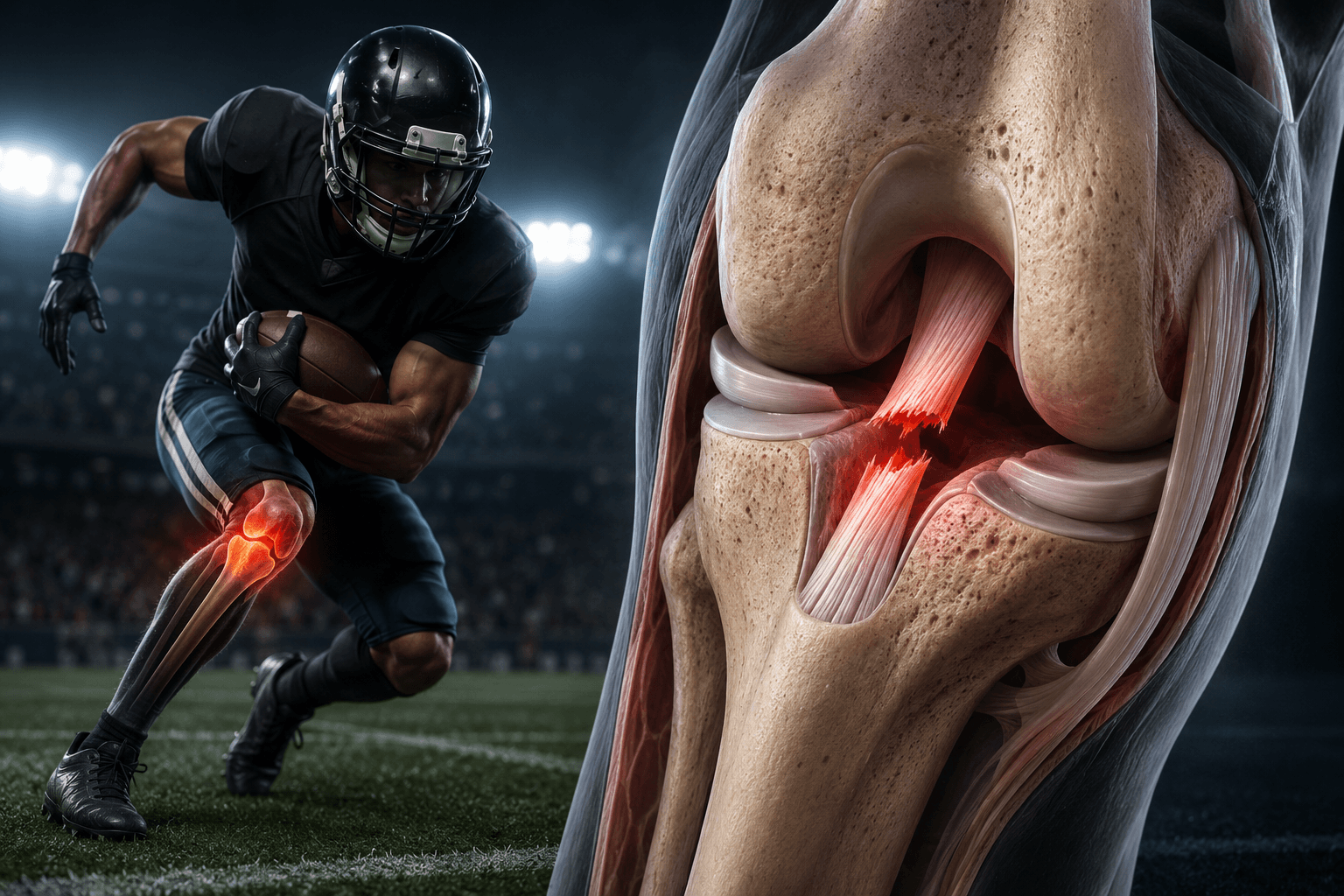
Quarterbacks play a critical role in football, often facing intense physical challenges that can lead to a variety of injuries. Here are the eight most common injuries that quarterbacks encounter, along with preventive measures and treatments.
 Shoulder injuries, including rotator cuff tears and labrum tears, are common due to repetitive throwing motions and physical contact.
Symptoms:
Shoulder injuries, including rotator cuff tears and labrum tears, are common due to repetitive throwing motions and physical contact.
Symptoms:

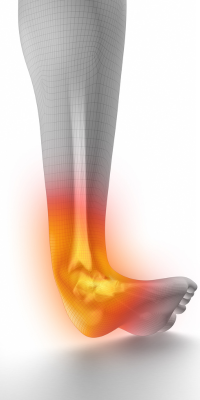 Ankle sprains result from the ligaments around the ankle being stretched or torn, often due to awkward landings or being tackled.
Symptoms:
Ankle sprains result from the ligaments around the ankle being stretched or torn, often due to awkward landings or being tackled.
Symptoms:
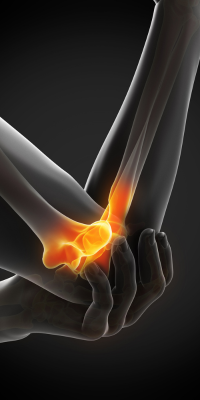 Elbow injuries, such as tendonitis and ligament tears, can result from repetitive throwing motions and overuse.
Symptoms:
Elbow injuries, such as tendonitis and ligament tears, can result from repetitive throwing motions and overuse.
Symptoms:
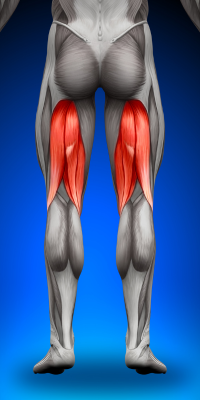 Hamstring strains occur when the muscles or tendons in the back of the thigh are overstretched or torn, often during sprinting or sudden movements.
Symptoms:
Hamstring strains occur when the muscles or tendons in the back of the thigh are overstretched or torn, often during sprinting or sudden movements.
Symptoms:
1. Concussions
Concussions are traumatic brain injuries caused by a blow to the head or body, leading to the brain moving rapidly inside the skull. Symptoms:- Headaches
- Dizziness
- Nausea
- Confusion
- Memory loss
- Use of proper helmet fitting and techniques
- Immediate medical evaluation
- Rest and gradual return to play under medical supervision
Shoulder Injuries
Shoulder injuries, including rotator cuff tears and labrum tears, are common due to repetitive throwing motions and physical contact.
Symptoms:
- Pain and swelling
- Limited range of motion
- Weakness in the shoulder
- Strengthening exercises for shoulder muscles
- Proper throwing mechanics
- Physical therapy and, in severe cases, surgery
Knee Injuries
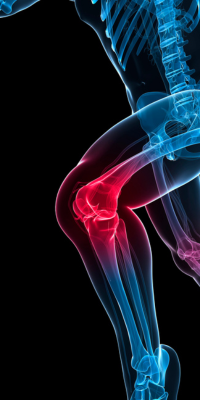
Knee injuries, such as ACL tears, MCL sprains, and meniscus tears, occur due to sudden changes in direction, tackles, and collisions. Symptoms:- Swelling and pain
- Instability
- Difficulty bearing weight
- Use of knee braces during practice and games
- Strengthening exercises for knee stability
- Surgical repair and extensive rehabilitation
4. Ankle Sprains
Ankle sprains result from the ligaments around the ankle being stretched or torn, often due to awkward landings or being tackled.
Symptoms:
- Swelling and bruising
- Pain and tenderness
- Reduced mobility
- Ankle strengthening and flexibility exercises
- Proper footwear and taping
- Rest, ice, compression, and elevation (RICE), along with physical therapy
5. Rib Injuries
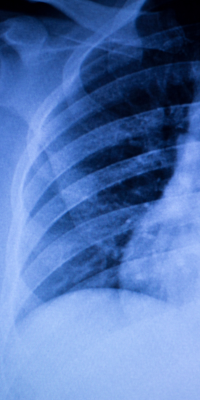
Rib injuries, including fractures and cartilage damage, occur from direct hits to the torso, common in high-impact collisions. Symptoms:- Sharp pain in the rib area
- Difficulty breathing deeply
- Swelling and bruising
- Protective rib padding
- Avoiding direct hits through quick release of the ball
- Rest and pain management
6. Elbow Injuries
Elbow injuries, such as tendonitis and ligament tears, can result from repetitive throwing motions and overuse.
Symptoms:
- Pain and tenderness around the elbow
- Swelling and reduced range of motion
- Weakness in the arm
- Proper warm-up and stretching routines
- Strengthening exercises for the arm muscles
- Rest, physical therapy, and in severe cases, surgery
7. Hand and Finger Injuries
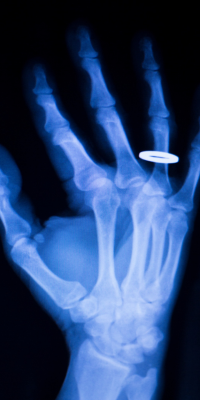
Hand and finger injuries, including fractures and dislocations, are common due to the need to handle the ball and contact with helmets and ground. Symptoms:- Pain and swelling
- Bruising and deformity
- Difficulty gripping or moving fingers
- Protective gloves
- Proper hand positioning and catching techniques
- Splinting, rest, and physical therapy
8. Hamstring Strains
Hamstring strains occur when the muscles or tendons in the back of the thigh are overstretched or torn, often during sprinting or sudden movements.
Symptoms:
- Sharp pain in the back of the thigh
- Swelling and bruising
- Difficulty walking or running
- Proper warm-up and stretching exercises
- Strengthening exercises for the hamstring muscles
- Rest, ice, compression, and elevation (RICE), along with physical therapy
Quarterbacks face numerous physical challenges that make them prone to various injuries. By understanding these common injuries, their symptoms, and the best preventive and treatment strategies, players can better protect themselves and maintain their performance on the field. Proper training, conditioning, and medical care are essential for quarterbacks to minimize the risk of injury and ensure a long, successful career in football.